
Core English I · Beginner
核心课程 · 初级
Build core English foundations through classroom communication, phonemic awareness and early literacy.
- Course level
- All Levels
- Recommended age
- Contact us to confirm
- Estimated lessons
- 20 lessons

About the course & who it suits
Build classroom understanding and express familiar ideas through listening, speaking, phonics and graded reading.
Who it suits
- Learners starting or strengthening systematic English study.
- Those who benefit from speaking, reading and guided practice.
Before you start
- Share your learning experience and goals with us.
- A teacher can help suggest a suitable starting point.

Learning outcomes
Respond to everyday classroom English
Follow familiar instructions and try simple answers.
Develop foundational pronunciation and reading
Practise letter sounds and recognise common words and short sentences.
Describe familiar ideas in simple sentences
Talk about yourself, family and everyday life.
Course outline
5 stages · 20 unitsSelect a stage to explore its units. The learning plan can be adapted to your starting level.
Classroom & introductions Units 01–04Classroom instructions, greetings and simple introductions. View unitsHide units
- Hello and namesRespond to greetings, introduce yourself and ask for a name.
- Classroom languageFollow common classroom instructions and ask politely for help.
- Spelling and introductionsSpell a name and give a short introduction.
- First-meeting reviewCombine greetings, introductions and simple questions.
Sounds & common words Units 05–08Letter sounds, word recognition and reading aloud. View unitsHide units
- Initial soundsIdentify beginning sounds and connect letters with their sounds.
- Short vowels and blendingPractise short vowels and blend sounds into simple words.
- Useful words in sentencesRecognise useful words and understand and produce short sentences.
- Sounds and sentence reviewReview sound blending and use short sentences for familiar information.
My family & everyday life Units 09–12Family members, everyday actions and short sentences. View unitsHide units
- People and relationshipsDescribe people and relationships in simple introductions.
- Objects and numbersName familiar objects and describe their quantities and features.
- Everyday actionsUnderstand common actions and describe everyday activities.
- Preferences and routinesShare preferences and talk about everyday life in short sentences.
Reading & stories Units 13–16Short texts, picture clues and simple questions. View unitsHide units
- Who and whatFind people and key information in short texts.
- First, then, lastUnderstand the order of events and retell a story in sequence.
- Where is it?Use pictures and position words to find clues in a text.
- A short storyUse information from a text to retell a story in simple sentences.
Expression & review Units 17–20Topic-based expression, review and learning feedback. View unitsHide units
- Clear descriptionsCombine useful words and sentences to describe people and objects.
- Asking and respondingAsk and answer questions while working on a shared task.
- A short messageWrite a short note, then check and improve its wording.
- Putting it togetherComplete a communication task and review progress and next steps.

Materials & lessons
Optional licensed materials: WONDERS GK / G1 (McGraw Hill), with aligned levelled readers and teacher-created classroom tasks.
How a lesson works
Warm-up
Review familiar language and introduce the lesson topic.
Guided practice
Explore new language with clear models and practice.
Read & express
Use the language in a text, conversation or practical task.
Feedback
Review progress and identify the next practice focus.
Your teacher adjusts the lesson pace to your progress.
Teachers (23)
 Amanda Lynn
 Alli Hill
 Amber Rosamond
 Anne
Anne Brenna Maawad
 Brent Hagen
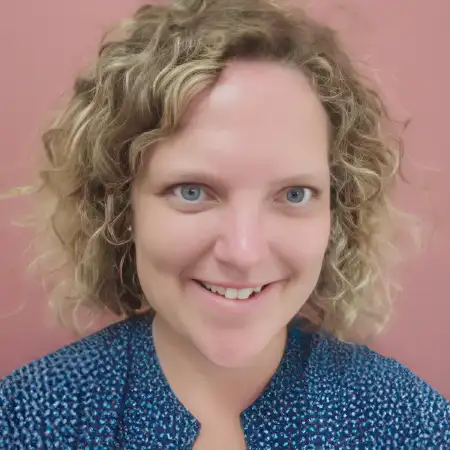 Bridget Harnden
 Charlotte Allen
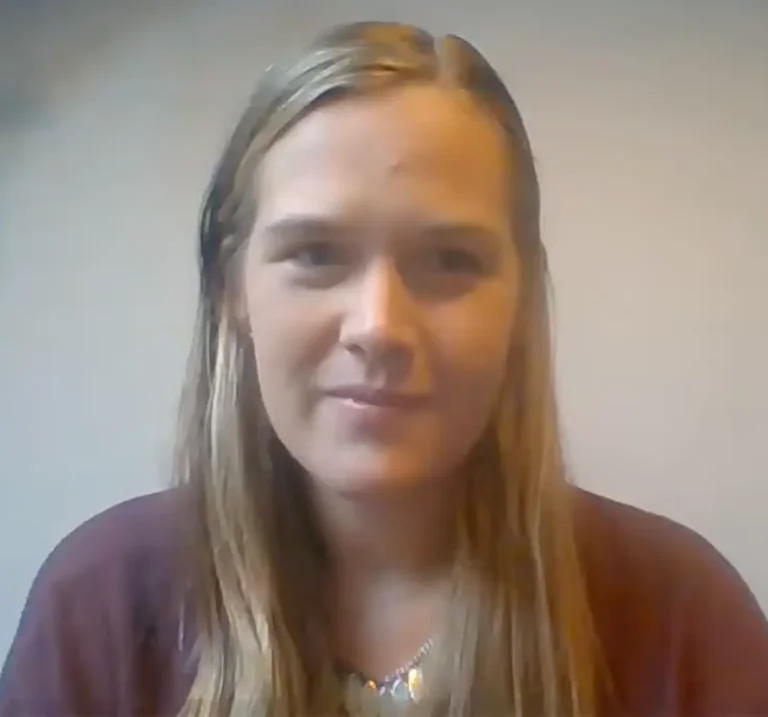 Charlotte Friend
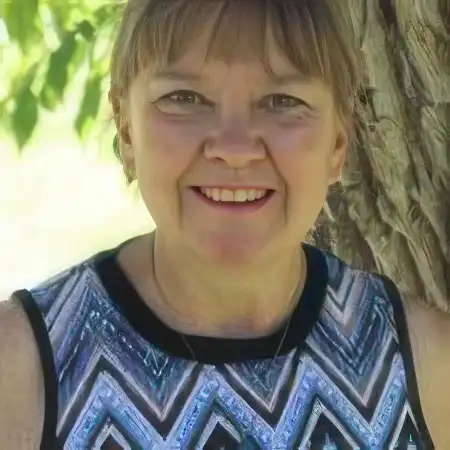 Cher Huesers
 Chris T
 Chris Bargery
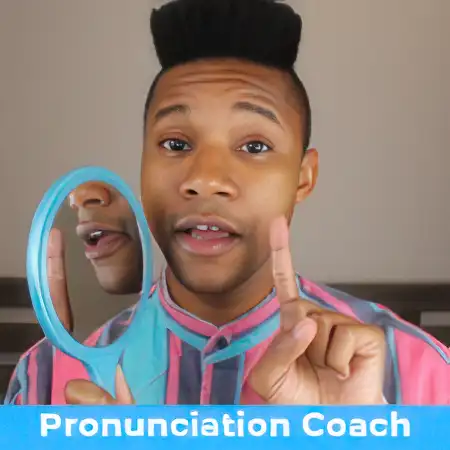 Chris Holifield
 Cindy Jones
 Claudia Delgado
 Daisy Hardy
 Dale Sprauer
 Dale Yellowlees
 Darren San
 DeAngelis Fielder
 Deanna Weiss
 Dixie Adams
 Dr Morwenna F.
FAQs
Can a complete beginner take this course?
Tell us about your learning experience. A teacher can help suggest a suitable starting point.
Do I need to buy a textbook?
Please contact us before buying materials so we can confirm the edition and how to obtain it.
How much does the course cost?
Contact us to discuss course options, fees and available lesson times.
What progress can I expect after 20 lessons?
See the learning outcomes above for the skills we practise. The 20-lesson outline is a guide; progress depends on starting level, attendance and practice.

Questions about choosing a course?
Speak with a course advisor about your learning experience and goals, and explore suitable courses and lesson arrangements.